
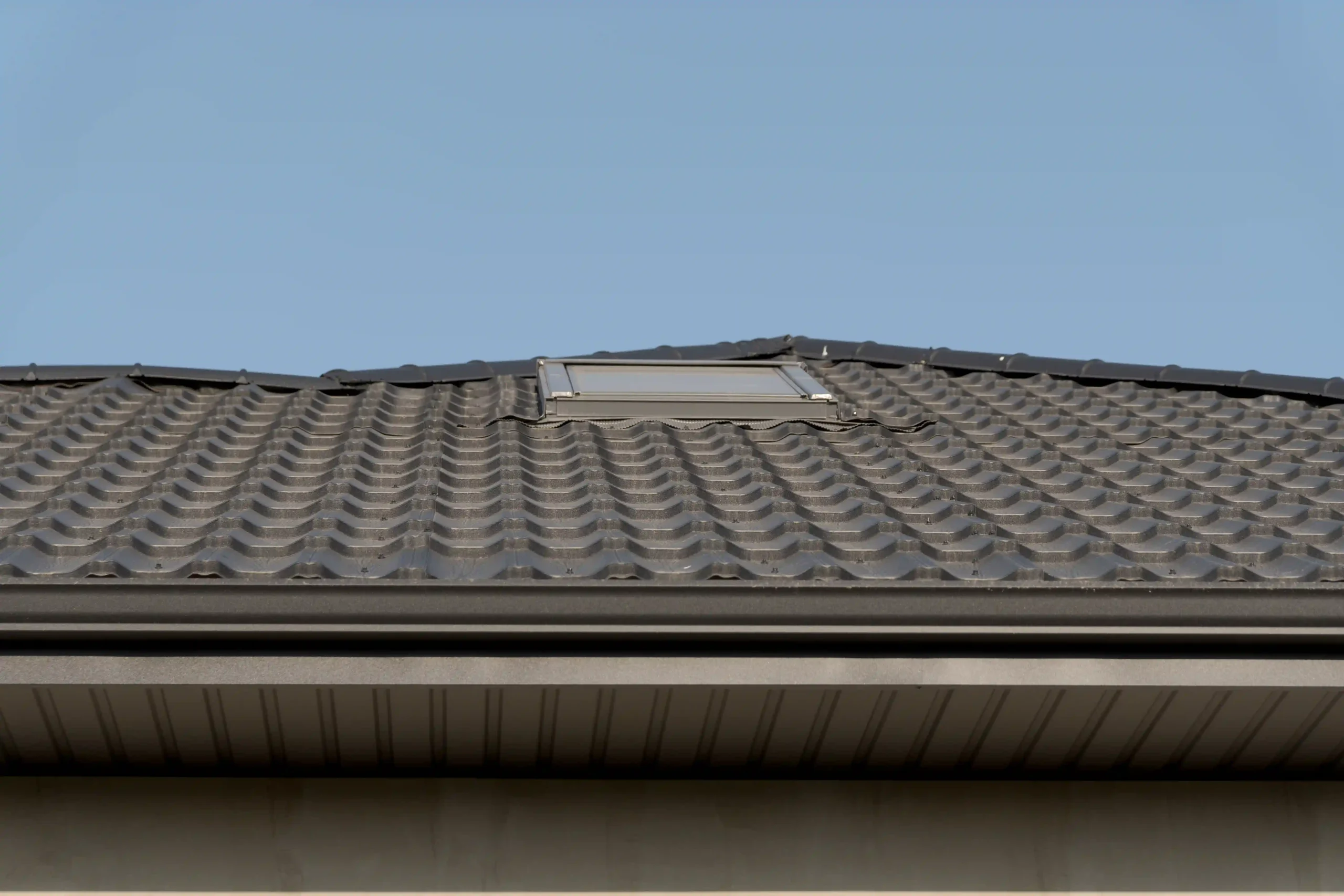
Gale-force gusts sweeping down the Columbia River Gorge regularly cause severe wind damage to roofs without leaving an obvious trail of broken shingles in your yard. According to wind engineering insights from the Federal Emergency Management Agency (FEMA), intense uplift pressures can secretly break shingle sealant seals and compromise flashings long before water stains appear inside. If your home has weathered recent severe storms, contact our roofing specialists for a prompt assessment, or review our complete roofing solutions to protect your investment.
Living in Stevenson, Washington means enjoying one of the most dramatic landscapes in the Pacific Northwest—from the Columbia River waterfront and the Bridge of the Gods to Beacon Rock State Park and the forested foothills above State Route 14. That same Gorge geography, however, funnels powerful windstorms and wind-driven rain directly across local neighborhoods every fall, winter, and spring.
The biggest risk after a Columbia River Gorge windstorm is assuming your roof escaped unscathed simply because no shingles blew into your yard. High gusts frequently break shingle adhesive seals, bend fiberglass matting, loosen metal flashing, and expose fasteners without tearing a single tab off the roof. From the driveway, everything looks normal—until trapped moisture quietly rots roof decking or stains drywall months later.
At Dr. Roof, our certified inspectors bring over 10 years of Pacific Northwest roofing experience to homeowners across Stevenson and Southwest Washington. Recognizing these seven subtle warning signs early helps you stop minor wind vulnerabilities before they turn into costly structural leaks.
Assessing Ground-Level Signs of Wind Damage to Roofs
After a wind event in Stevenson, walk your property from the ground and match what you notice against what may be happening above the eaves.
| What You Notice From the Ground or Attic | Likely Hidden Roof Issue | Safe Next Step |
| Roof looks intact, but neighbors lost shingles or limbs | Wind uplift broke shingle sealant strips or creased tabs | Schedule a non-invasive roof inspection while storm evidence is fresh |
| Dark horizontal lines or slightly raised shingle edges | Bent fiberglass matting (“hinge creasing”) from gusts | Avoid touching or lifting tabs; have a roofer assess brittleness |
| Heavy sand-like grit in downspouts or on patios | Accelerated granule loss from shingle flapping or branch abrasion | Clear downspout exits and inspect roof slopes for bare asphalt spots |
| Lifted metal along roof edges or crooked ridge caps | Loosened drip edge, rake flashing, or hip-and-ridge fasteners | Have perimeter metal re-secured before the next Gorge windstorm |
| Musty attic odor or damp insulation after sideways rain | Compromised step flashing, pipe boots, or nail pull-through | Check attic decking with a flashlight and book a flashing diagnostic |
Why Columbia River Gorge Winds Stress Stevenson Roofs Differently
Because the Columbia River Gorge acts as a natural wind tunnel between the Cascade Range, properties near downtown Stevenson, Rock Creek, Highway 14, and the surrounding wooded hillsides experience intense gusts and sudden pressure shifts.
Wind does not push evenly across a roof slope. Instead, air moving over a roofline creates uplift suction—similar to air flowing over an airplane wing—that pulls upward hardest along eaves, rake edges, corners, valleys, and ridge caps. Once a single edge or seal breaks free, subsequent storms catch underneath the loosened material and peel larger sections back over time.
7 Hidden Signs of Roof Storm Damage in Stevenson, WA
1. Shingles That Lifted and Settled Back Into Place
Asphalt shingles rely on a factory-applied thermal adhesive strip along the underside to bond each course to the shingle below it. During strong Gorge gusts, wind pressure can force air beneath the bottom edge of a shingle, snapping that adhesive bond and lifting the tab upward.
Once the gust passes, gravity drops the shingle back down into position. From the street, the roof looks untouched. However, windblown dust, pollen, and fir needles quickly coat the exposed adhesive strip so it never reseals—leaving the shingle free to flap in every future storm and letting wind-driven rain wick underneath toward the nail line.
2. Subtle Horizontal Creases Across Architectural Shingles
When strong gusts bend an asphalt shingle upward past its flexibility limit, the internal fiberglass mat fractures along a straight line where the tab hinges against the course above.
These wind creases often appear as faint dark horizontal shadows or slight color shifts across the middle of a shingle tab. Even though the shingle has not blown away, its waterproof barrier is structurally broken. Through Stevenson’s wet winter months, repeated freeze-thaw cycles and heavy rain gradually widen those hairline fractures until water reaches the underlayment.
3. Loosened Step Flashing, Counter-Flashing, and Cracked Pipe Boots
Some of the most leak-prone components on a roof are the metal and rubber transitions sealing chimneys, skylights, dormers, sidewalls, and plumbing vent pipes. High winds can pry step flashing away from siding, break caulked counter-flashing joints, or tear aging neoprene pipe boot collars.
Because water entering around compromised flashing often travels downward along rafters, roof sheathing, or HVAC ducts before soaking into ceiling drywall, an interior water stain may show up ten or fifteen feet away from the actual roof opening.
4. Sudden Shingle Granule Accumulation in Gutters and Downspouts
Ceramic-coated mineral granules protect asphalt shingles from UV degradation and impact wear. While older roofs shed small amounts of grit naturally over time, a noticeable pile of coarse, sand-like granules washing out of your downspouts right after a storm is a strong indicator of wind stress.
In wooded Stevenson neighborhoods, wind-whipped Douglas fir and cedar branches scrape protective granules off the asphalt surface, while unsealed shingles rub against adjacent courses every time gusts hit. Left bare, exposed asphalt dries out, cracks, and deteriorates rapidly.
5. Lifted Drip Edge, Rake Shingles, and Hip-and-Ridge Caps
Roof perimeters take the first and hardest impact of incoming wind. Following severe weather, look closely along the roofline edges and peak for:
- Raised or wavy shingles along the rakes (sloped side edges) and eaves
- Loose, cracked, or shifted ridge-cap shingles along the main roof peak
- Bent or separated metal drip edge pulling away from the fascia board
- Exposed nail heads where fasteners have backed out or pulled through the shingle mat
Because perimeter components lock down the rest of the roofing field, repairing a few loose ridge caps or rake shingles early prevents cascading wind damage during the next storm system.
6. New Attic Moisture, Damp Insulation, or Darkened Roof Decking
Many Columbia River Gorge leaks happen only during wind-driven horizontal rain—meaning your roof may stay completely dry during a calm, vertical drizzle while leaking when gusts push water upward beneath unsealed laps or flashing.
Inspecting your attic with a bright flashlight after a major storm often reveals hidden storm intrusion long before ceiling paint bubbles. Watch for dark water rings around roof penetrations, damp fiberglass insulation, rusted roofing nail tips protruding through the plywood sheathing, or a sudden musty smell.
7. Visible Wind Damage on Neighboring Homes After the Same Storm
If homes down your street lost shingles, suffered torn ridge vents, or required emergency tarping after a windstorm, your roof endured the exact same wind speeds. Two neighboring houses in Stevenson can react very differently to identical gusts depending on roof pitch, ridge direction relative to the Gorge, surrounding tree cover, and shingle age. Even when your yard is clear of debris, an inspection confirms whether your roof suffered hidden seal breaks or fastener pull-through.
How to Safely Check Your Property After a Stevenson Windstorm
You never need to climb onto a ladder or walk on your roof to spot early warning signs—and doing so after a Pacific Northwest storm is dangerous on wet, moss-prone, or steep slopes. Instead, follow this safe ground-level routine:
- Scan All Slopes With Binoculars: Walk around your yard and look across the roof surface at an angle to catch lifted tabs, dark horizontal crease lines, crooked ridge caps, and bent flashing.
- Check Gutters, Downspouts, and Landscaping: Look for torn shingle corners, metal flashing scraps, fallen branches, and heavy piles of roof granules near downspout splash blocks.
- Inspect Your Attic and Upper Ceilings: Check ceilings around chimneys, skylights, and exterior walls for faint yellow rings, and shine a light across the underside of your attic roof decking.
- Take Timestamped Photos Before Temporary Fixes: If you spot displaced shingles, bent metal, or fallen limbs, capture clear photos from multiple angles in case you need documentation for your homeowners insurance carrier.
Professional Roof Storm Damage Inspections in Stevenson, WA
A thorough post-storm evaluation goes far beyond looking for missing shingles from the street. During an on-site inspection, Dr. Roof checks shingle bond integrity, inspects step and valley flashing, examines vents and pipe boots for wind uplift, evaluates fastener security, and checks for hidden moisture intrusion.
Not every storm-affected roof needs a full replacement. When wind damage is caught early, targeted shingle, ridge-cap, or flashing repairs can restore full weather protection and extend the life of your existing roof. When widespread seal failure or aging materials make replacement the smarter long-term investment, our team provides clear, honest options built for Columbia River Gorge wind ratings.
Dr. Roof proudly serves homeowners across Stevenson, North Bonneville, Carson, Home Valley, Washougal, Camas, Vancouver, and surrounding Southwest Washington communities—from homes along the Columbia River waterfront and downtown Stevenson to properties near Rock Creek and the Skamania County Fairgrounds.
Frequently Asked Questions About Roof Storm Damage in Stevenson, WA
Can strong winds damage a roof without blowing shingles off?
Yes. Wind uplift frequently breaks the thermal adhesive seal between shingle layers, creases fiberglass matting, loosens flashing, or pulls shingles partially over nail heads without detaching them. Because lifted tabs settle back down once gusts pass, this damage is rarely obvious from the driveway.
Why can wind-damaged roofs take months to start leaking?
When a storm breaks a shingle’s adhesive bond without tearing it off, the overlapping shingle still sheds light, vertical rain at first. Over subsequent weeks, repeated gusts lift the unsealed tab higher, allowing wind-driven rain to reach nail holes and underlayment until moisture eventually penetrates the attic.
Should I have my roof inspected after a Columbia River Gorge windstorm?
Yes, especially if your property experienced high gusts, falling branches, wind-driven rain, or storm damage on neighboring homes. A post-storm inspection identifies hidden seal breaks and lifted flashing early—when minor repairs can prevent interior water damage.
Does finding shingle granules in my gutters mean I need a new roof?
Not automatically. Older asphalt shingles shed small amounts of grit naturally. However, a sudden surge of granules after a windstorm—or bare dark patches visible on the roof surface—indicates accelerated wear or impact abrasion that a roofing professional should evaluate.
Is it safe to climb onto my roof to check for wind damage?
No. Wet shingles, moss, steep pitches, loose debris, and weakened roofing components create serious fall hazards after a storm. Homeowners should inspect from ground level or inside the attic and leave rooftop evaluations to trained, insured professionals.
Schedule Your Roof Storm Damage Inspection in Stevenson, WA
Do not wait for a ceiling stain to find out whether recent Columbia River Gorge winds compromised your roof. Dr. Roof provides thorough post-storm roof inspections, honest damage assessments, targeted repairs, and high-wind roofing replacements tailored to Stevenson homes.
Contact Dr. Roof today to schedule your professional roof inspection in Stevenson, WA and protect your home before the next Pacific Northwest storm arrives.