
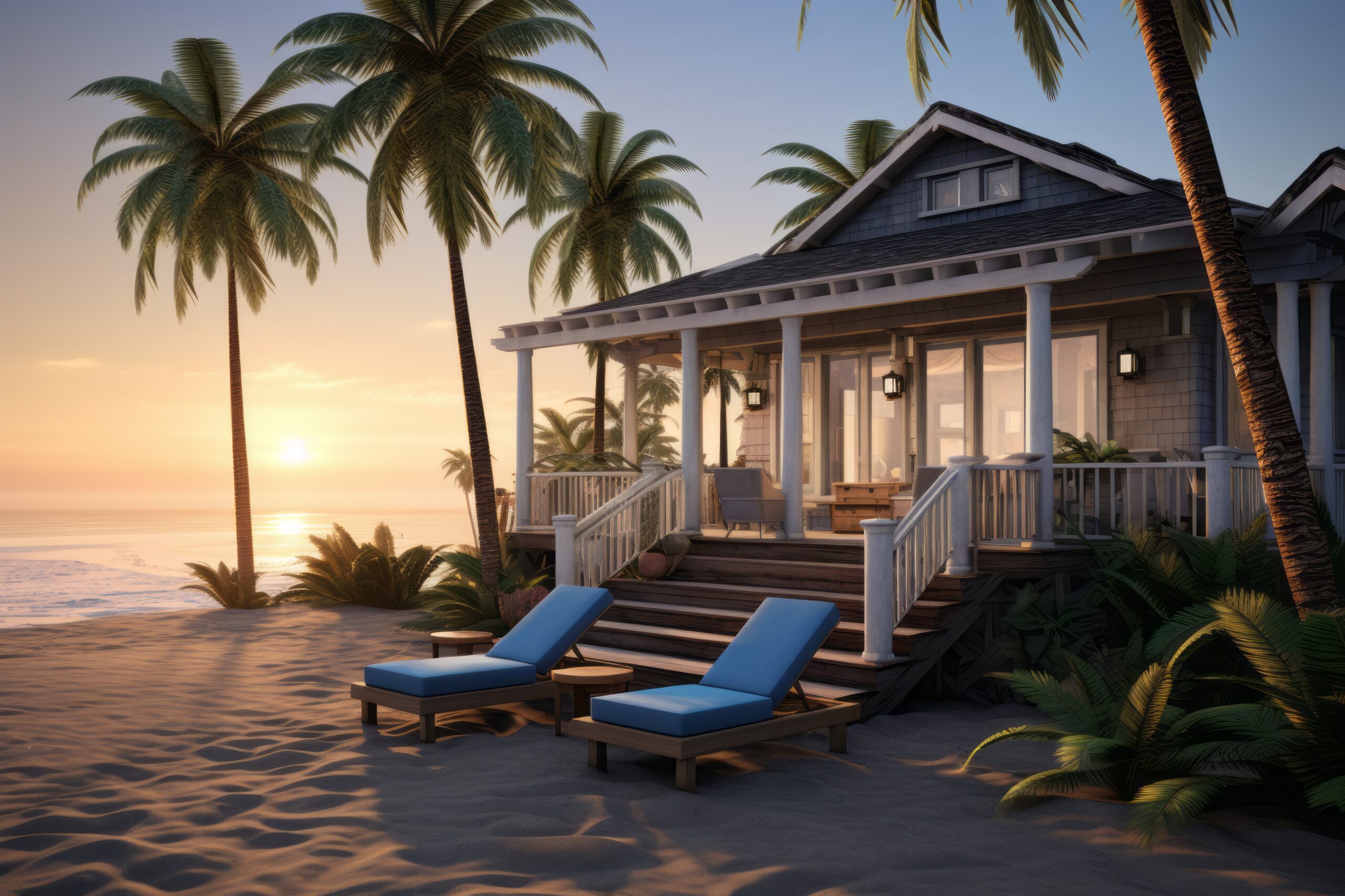
Why Coastal Homes Require a Different Roofing Strategy
Best roofing materials for the Oregon Coast must be chosen for salt air, heavy rain, coastal wind, UV exposure, algae growth, and fast-changing weather. Beach houses in Rockaway Beach, Cannon Beach, Seaside, Tillamook, Lincoln City, Newport, and nearby coastal communities need roofing materials that can handle moisture, corrosion, and long-term exposure to the Pacific Ocean climate.
At Dr. Roof, Inc., we help Oregon Coast homeowners compare roofing materials, inspect existing roofs, and choose durable roof replacement options that match coastal conditions. Whether your home needs standing seam metal roofing, synthetic slate, architectural asphalt shingles, composite roofing, or a full roof inspection, the right material choice can protect your investment and reduce long-term maintenance problems.
The Oregon Coast is known for powerful winter storms, high winds, salty ocean air, heavy rainfall, and year-round moisture exposure. These environmental conditions can significantly shorten the lifespan of roofing systems that are not designed for coastal climates. Choosing the right roofing material is one of the most important decisions a homeowner can make to protect their investment.
At Dr. Roof, we have spent more than 10 years helping homeowners throughout the Oregon Coast and surrounding communities select durable roofing systems that stand up to coastal weather. Whether you own a vacation home in Seaside, a beachfront property in Cannon Beach, or a year-round residence in Newport, understanding which roofing materials perform best near the ocean can save you thousands of dollars in future repairs and replacements.
Table of Contents
Understanding the Challenges of Oregon Coast Weather
Before selecting a roofing material, it’s important to understand what your roof is up against.
Salt Air Exposure
Salt carried by ocean breezes can accelerate corrosion on metal components and roofing accessories. Over time, salt exposure can weaken fasteners, flashing, gutters, and roofing materials that are not designed for coastal environments.
High Winds
Communities such as Seaside, Gearhart, Astoria, and Manzanita frequently experience strong coastal winds. During winter storms, wind gusts can lift shingles, damage flashing, and expose vulnerable areas of the roof.
Heavy Rainfall
The Oregon Coast receives significantly more rainfall than many inland areas. Constant moisture exposure increases the risk of leaks, mold growth, wood rot, and structural deterioration.
Moss and Algae Growth
Moist conditions create an ideal environment for moss, algae, and lichen. Without proper maintenance, these growths can trap moisture and shorten the life of a roofing system.
UV Exposure
While coastal Oregon is known for rain, summer months bring extended periods of sunlight. Ultraviolet exposure gradually breaks down roofing materials and contributes to aging over time.
Why Roofing Material Selection Matters
Not all roofing materials are created equal. A roofing system that performs well in inland Oregon may struggle when exposed to salt spray and coastal weather.
Homeowners can also review the U.S. Department of Energy’s guide to cool roofs when comparing how roofing materials reflect sunlight and absorb less heat.
Choosing the right roofing material can provide:
- Longer roof lifespan
- Improved weather resistance
- Better wind protection
- Reduced maintenance costs
- Higher property value
- Better energy efficiency
For coastal homeowners, investing in the right roofing system often results in significant long-term savings.
Standing Seam Metal Roofing: One of the Best Choices for Coastal Homes
Exceptional Wind Resistance
Standing seam metal roofing is widely considered one of the best roofing materials for homes located near the ocean.
Unlike traditional shingles, standing seam panels interlock together, creating a secure system capable of withstanding strong coastal winds.
Superior Moisture Protection
Metal roofs shed water efficiently and reduce opportunities for moisture intrusion. This makes them particularly effective in rainy coastal environments.
Long Lifespan
A properly installed standing seam metal roof can often last 40 to 70 years with routine maintenance.
Salt-Resistant Options
Modern metal roofing systems are available with specialized coatings designed to resist salt-air corrosion, making them an excellent choice for oceanfront properties.
Energy Efficiency
Metal roofing reflects solar heat, helping reduce cooling demands during warmer summer months.
For homeowners in Seaside, Cannon Beach, Newport, Lincoln City, and surrounding coastal communities, standing seam metal roofing often delivers the best combination of durability and longevity.
Architectural Asphalt Shingles: A Cost-Effective Coastal Solution
Affordability
Architectural asphalt shingles remain one of the most popular roofing options because they provide strong performance at a lower upfront cost.
Improved Wind Ratings
Modern architectural shingles offer significantly better wind resistance than older three-tab products.
Variety of Styles
Homeowners can choose from numerous colors and designs that complement coastal architecture.
Reliable Protection
When properly installed by experienced roofing professionals, architectural shingles can provide decades of dependable protection.
For beach houses located slightly inland from direct ocean exposure, high-quality architectural shingles can be an excellent investment.
Composite Roofing Systems
Moisture Resistance
Composite roofing products are engineered to resist moisture absorption, making them well-suited for coastal environments.
Durability
Many composite products are designed to withstand:
- Wind
- Rain
- UV exposure
- Impact damage
Low Maintenance
Composite roofing requires less maintenance than traditional wood products while maintaining an attractive appearance.
Coastal Aesthetic
Many homeowners appreciate that composite roofing can replicate the look of cedar shakes without the maintenance concerns.
Synthetic Cedar Shake Roofing
Many Oregon Coast homeowners love the appearance of cedar roofing because it complements the region’s natural beauty.
However, traditional cedar shakes can present challenges in coastal climates.
The Problem with Natural Cedar
While attractive, natural cedar is susceptible to:
- Moisture absorption
- Moss growth
- Rot
- Splitting
- Weather-related deterioration
The Advantage of Synthetic Alternatives
Synthetic cedar shake products provide the appearance of wood while offering enhanced resistance to moisture and coastal weather.
These products are becoming increasingly popular in communities such as Cannon Beach and Manzanita where homeowners want a classic coastal aesthetic.
Roofing Materials That May Not Perform Well Near the Ocean
Untreated Wood Shakes
Natural wood roofing can absorb moisture and deteriorate more quickly in coastal climates.
Low-Grade Asphalt Shingles
Budget shingles may not offer the wind resistance needed for Oregon Coast weather conditions.
Exposed Fastener Metal Roofs
While some metal roofs perform exceptionally well, systems with exposed fasteners can create maintenance concerns over time if not properly maintained.
How Salt Air Affects Your Roof
One of the most overlooked factors in coastal roofing is salt exposure.
Salt particles carried by ocean breezes settle on roofing materials and can accelerate deterioration.
Affected components often include:
- Flashing
- Fasteners
- Gutters
- Roof vents
- Metal accessories
Regular roof inspections and preventative maintenance help identify corrosion before it becomes a major issue.
Why Roof Inspections Are Critical for Coastal Homes
Beachfront and near-coast properties should receive routine roof inspections.
Early Leak Detection
Inspections identify vulnerabilities before water enters the home.
Wind Damage Assessment
High winds can loosen roofing materials without obvious signs from the ground.
Salt Corrosion Monitoring
Professional inspections can uncover corrosion before structural damage occurs.
Extended Roof Lifespan
Routine maintenance helps maximize the life expectancy of any roofing system.
At Dr. Roof, we recommend annual roof inspections for most Oregon Coast properties and more frequent inspections following major storms.
Communities We Serve Along the Oregon Coast
Dr. Roof proudly serves homeowners throughout coastal Oregon, including:
- Astoria
- Seaside
- Gearhart
- Cannon Beach
- Manzanita
- Rockaway Beach
- Tillamook
- Lincoln City
- Newport
- Depoe Bay
- Pacific City
We understand the specific roofing challenges that coastal homeowners face and provide customized solutions designed for long-term performance.
Local Landmarks and Coastal Weather Considerations
Homes located near Oregon’s most recognizable landmarks often experience unique weather conditions.
Haystack Rock
Properties near this iconic landmark frequently experience salt spray and strong ocean winds.
Ecola State Park
Elevated coastal locations can experience intensified weather exposure.
Tillamook Head
Wind-driven rain is common in this region.
Yaquina Head Lighthouse
Oceanfront homes near Newport often experience significant moisture exposure year-round.
Oregon Dunes National Recreation Area
Properties near dune systems can experience windblown sand and debris that contribute to roof wear.
Understanding these localized conditions allows Dr. Roof to recommend roofing systems that perform best in each environment.
Why Homeowners Trust Dr. Roof
For more than 10 years, Dr. Roof has helped Oregon homeowners protect their homes with high-quality roofing services.
Our team understands:
- Coastal weather patterns
- Salt-air exposure challenges
- Wind-resistant roofing systems
- Roof replacement best practices
- Preventative maintenance strategies
We take pride in helping homeowners make informed decisions that protect their investment for years to come.
Protect Your Oregon Coast Home with the Right Roofing System
The Oregon Coast is one of the most beautiful places in the Pacific Northwest, but its weather conditions demand a roofing system that can withstand moisture, wind, salt exposure, and seasonal storms.
Whether you’re considering a roof replacement, building a new beach house, or evaluating the condition of your current roof, selecting the right roofing material is essential for long-term protection.
Standing seam metal roofing, architectural asphalt shingles, composite roofing, and synthetic cedar shake products all offer advantages depending on your home’s location and needs.
By working with experienced coastal roofing professionals like Dr. Roof, homeowners can choose roofing systems designed specifically for the challenges of Oregon Coast living.
Frequently Asked Questions
What is the best roofing material for homes on the Oregon Coast?
Standing seam metal roofing is often considered one of the best options due to its wind resistance, durability, and ability to withstand coastal weather.
Does salt air damage roofs
Yes. Salt exposure can accelerate corrosion and deterioration of roofing components if materials are not designed for coastal environments.
How long do roofs last on the Oregon Coast?
Lifespan varies by material, installation quality, maintenance, and exposure. Coastal conditions can shorten roof life if proper materials are not used.
Is metal roofing worth the investment for a beach house?
For many homeowners, yes. Metal roofing offers excellent durability, longevity, and protection against wind and moisture.
How often should coastal roofs be inspected?
Most coastal homes should receive a professional roof inspection annually and after major storms.
Are asphalt shingles suitable for coastal homes?
High-quality architectural shingles can perform well in many coastal locations when professionally installed and properly maintained.
What causes moss growth on Oregon Coast roofs?
Frequent moisture, shade, and organic debris create ideal conditions for moss, algae, and lichen growth.
Why should I choose Dr. Roof for my Oregon Coast roofing project?
With more than 10 years of roofing experience, Dr. Roof understands the unique challenges of coastal environments and provides roofing solutions designed to perform in Oregon’s demanding climate.