
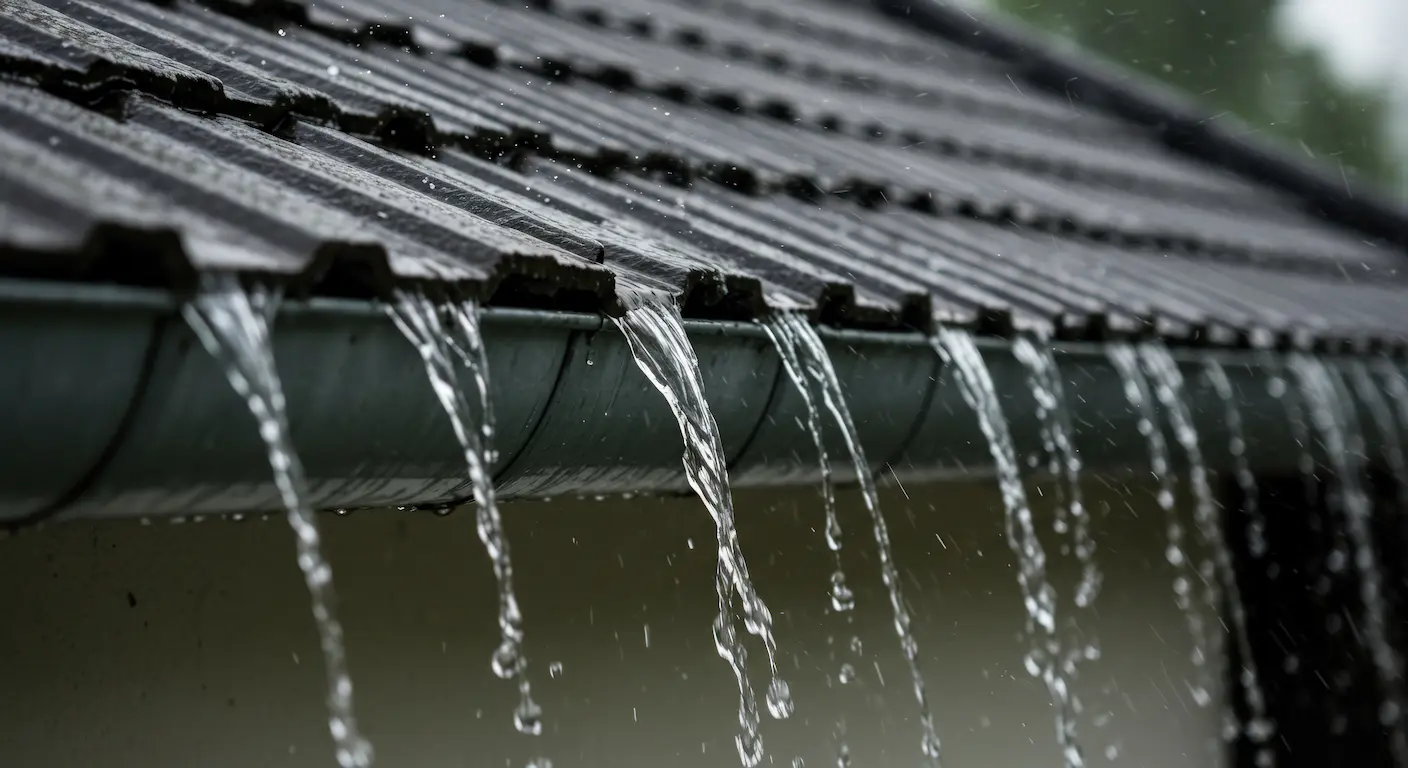
Finding a watermark on your ceiling or hearing the horrific drip-drip-drip is the panicking time of any homeowner. The question is: whence is it, and how evil is it? Understanding Roof Leak Causes is important, as it is common that when water does show up within your home, the problem has been slowly rearing its ugly head over the course of months, and may be causing unseen harm to your roofing, insulation and structural wood.
We have diagnosed thousands of leaks in Dr. Roof Inc., which covers the area of Vancouver, WA, Long Beach, Portland, OR, and others. The fact of the matter is that the majority of Roof Leak Causes have very particular and often overlooked vulnerabilities. Although storm damage is a rather evident suspect, the majority of the hidden roots of roof leaks are due to erosion and slight defects in the main elements.
This manual will reveal the 10 most prevalent and often overlooked causes of roof leaks. Knowing these will also enable you to be alert of early signs of damage and request a professional roof repair to prevent a simple problem into a huge and expensive catastrophe.
1. Failed or Improperly Installed Flashing
The Culprit: Flashing. This is the thin metal (typically aluminum or galvanized steel) that is applied to enclose and keep joints and transitions in your roof and make them waterproof, like around chimneys, skylights, and where the roof meets a wall—one of the common Roof Leak Causes.
Why It Is So Easily Overlooked: Flashing is meant to be inconspicuous and can be hidden beneath the shingles. Homeowners periodically check it, and its failure is gradual. Caulking may become hard and crack, or metal may corrode and form small holes common Roof Leak Causes.
The Red Flag: Search for rust streaks, gaping flashing, and roof surface, or broken sealant around any projection of the roof. A common flashing red flag would be leaks all around the chimneys or walls.
2. Cracked or Shrinking Pipe Boots
The culprit: These rubber or plastic seals (boots) around the vent pipes of plumbing and furnaces. The sun always cooks them and subject them to changes in temperature.
Why It is So Often Overlooked: On the ground they appear complete. The cracking or contraction occurs typically on the less visible side or at the area where the rubber of the boot joins up with the pipe. Even a hairline crack can be one of the hidden Roof Leak Causes.
The Red Flag: The appearance of cracks in the rubber, lost nails in the flange of the boot, or the appearance of a deformed or detached boot.
3. Clogged or Damaged Roof Valleys
The culprit: Valleys,the gullies, the V-pits, where the two roof slopes intersect—are the gutters of your roof, throwing off tremendous amounts of water. They may be lined or shingle-woven, and issues here are often overlooked Roof Leak Causes.
Why It is So Often Overlooked: The debris such as leaves and pine needles collect in the valleys, trapping the moisture and speeding up the wear. This gradually disappears the protective layer and the leakage usually starts under the pile of debris.
The Red Flag: Observable debris in valleys, scratches, or a lack of granules in a straight line down the valley, or rust and stains on metal valley liners.
4. An Aging, Brittle Roof
The Culprit: Simply put, time. The asphalt shingles are deprived of protective granules, their organic matter is withered, and the base layer under them becomes brittle. Any roof older than 20–25 years lacks overall water-shedding strength, making age a common Roof Leak Causes.
Why It is So Easy to Overlook: The decrease is slow. On the outside, the roof can seem like nothing but old, but you could not notice the micro-cracks, loss of flexibility, and nail holes that make it susceptible to water penetration in several locations.
The Red Flag: Bald shingles (lacking granules), shingles that crack up when bent, or leaks in all kinds of places, which seem without rhyme or reason.
5. Storm Damage (The Not-So-Obvious Kind)
The Culprit: Heavy winds and rain. A lost shingle is very noticeable, but the damage to shingles in the wind is not. Powerful winds will blow and bend shingles, breaking the adhesive bond without tearing them off. Hail can bruise shingles, destroying the matting and leaving them vulnerable to future leaks—common Roof Leak Causes.
Why It’s So Easy to Overlook: When a storm has struck you may seek the conspicuous holes. The actual damage such as increased shingles, punctured granules, or broken seals must be closely inspected under close up examination.
The Red Flag: Shingles that seem to be a little raised or creased, miss certain patterns or dents on the vents, flashing, or gutters.
6. Faulty Skylight Installation or Seals
The Culprit: The Skylights are intricate multi-part systems. Leaks may be caused by a failure of the perimeter flashing, the breakdown of the seal between the frame and the glass, or even internal condensation each a potential Roof Leak Causes.
Why It’s So Easy to Overlook: Water has the ability to go down the shaft of the skylight dripping onto the ceiling many feet away without the skylight actually being the source of the drip.
The Red Flag: Water stains or moisture on the drywall of the shaft of the skylight, condensation between sheets of glass, or cracked/caulking at the exterior frame.
7. Clogged Gutters and Downspouts
The Culprit: Blocked gutters will cause the water to overflow and collect at the fascia and decking of the roof at the eaves. This mold is always moist and causes the rot of wood, enabling the water to trickle back under the shingles and into the house—a common contributor to Roof Leak Causes.
Why It’s So Easy to Overlook: It begins at the roof edge, which is a part that the homeowners rarely check. The interior leak tends to be on a side wall and has no direct connection with the gutter problem.
The Red Flag: During rain, the gutters are overflowing, or the gutters are loose, the fascia boards are peeling or rotting, or there are stains of water directly under the seam of the guttering.
8. Condensation in the Attic
The Culprit: This is an imitation of a roof leak but it is inside your house. Moist and warm air escaping the living areas enters a cold attic and condenses along the bottom of the roof sheathing and drips, which can be one of the hidden Roof Leak Causes.
Why It Is Often Overlooked: Stains can be diffuse, can be placed between the rafters, and in the wintertime, they are worse. Home owners think it is a leak and not a ventilation and insulation problem.
The Red Flag: An attic that is stuffy, wet insulation, rust on nail heads sticking out of the roof deck, or frost on wood in winter.
9. Moss, Algae, and Debris Accumulation
The Culprit: There is no plain cosmetic about organic growth in our Pacific Northwest climate. Moss retains moisture on the roof surface, accelerating the deterioration of the shingles and contributing to Roof Leak Causes by allowing water to seep under the roof.
Why It Is Often Overlooked: The injury is gradual. The moss itself appears harmless but its root-like structures have the ability to raise the shingle edges breaking the water-tight seal.
The Warning Sign: Thick moss patches, dark algae streaks, or piles of leaves and branches in roof corners and valleys.
10. Weakened or Torn Underlayment
The Culprit: The layer of material (felt or synthetic layer under the shingles) is the key secondary waterproofing of your roof and a common factor in Roof Leak Causes. It does not protect the deck if it is weakened by age, incorrect installation, or prior water exposure.
Why It Is Often Overlooked: It is buried out of sight by shingles. You will not be able to realize that it has failed until water has already infiltrated the shingles and this backup coating as well.
The Red Flag: It is a professional diagnosis, which is usually associated with an aging roof or in the case of a leaking area where the shingles appear intact.
Don’t Wait for the Drip: Be Proactive
What is similar to these causes of hidden roof leaks, is that they are issues that need the eyes of a professional before water can get into your home. Understanding these Roof Leak Causes early can prevent further damage. Allowing time to pass with an interior stain has already extended the area of repair (and expense) to encompass drywall, insulation, and even possible mold treatment.
“Secure your house at the highest level. Dr. Roof Inc. is a professional roof inspector in the vicinity of Vancouver, WA, Long Beach, Portland, OR, and the rest of the areas. Our professionals do not simply seek out issues but undertake a serious investigation of flashing, seals, valleys, and ventilation to find points of weakness that can cause a leak. Call us now to have a stress-free home and one that is not wet. For guidelines on preventing hidden Roof Leak Causes, visit the National Roofing Contractors Association.